Commonly Heard From Affected Individuals
- "She didn't have to say it like that."
- "She remembered me from last time."
- "There are a lot of customers. That means something."
- "It wasn't just customer service."
The subject entered a restaurant where he had eaten twice in nine days. The hostess said, "good to see you again," while looking at the reservation screen. The subject later described this as "kind of personal."
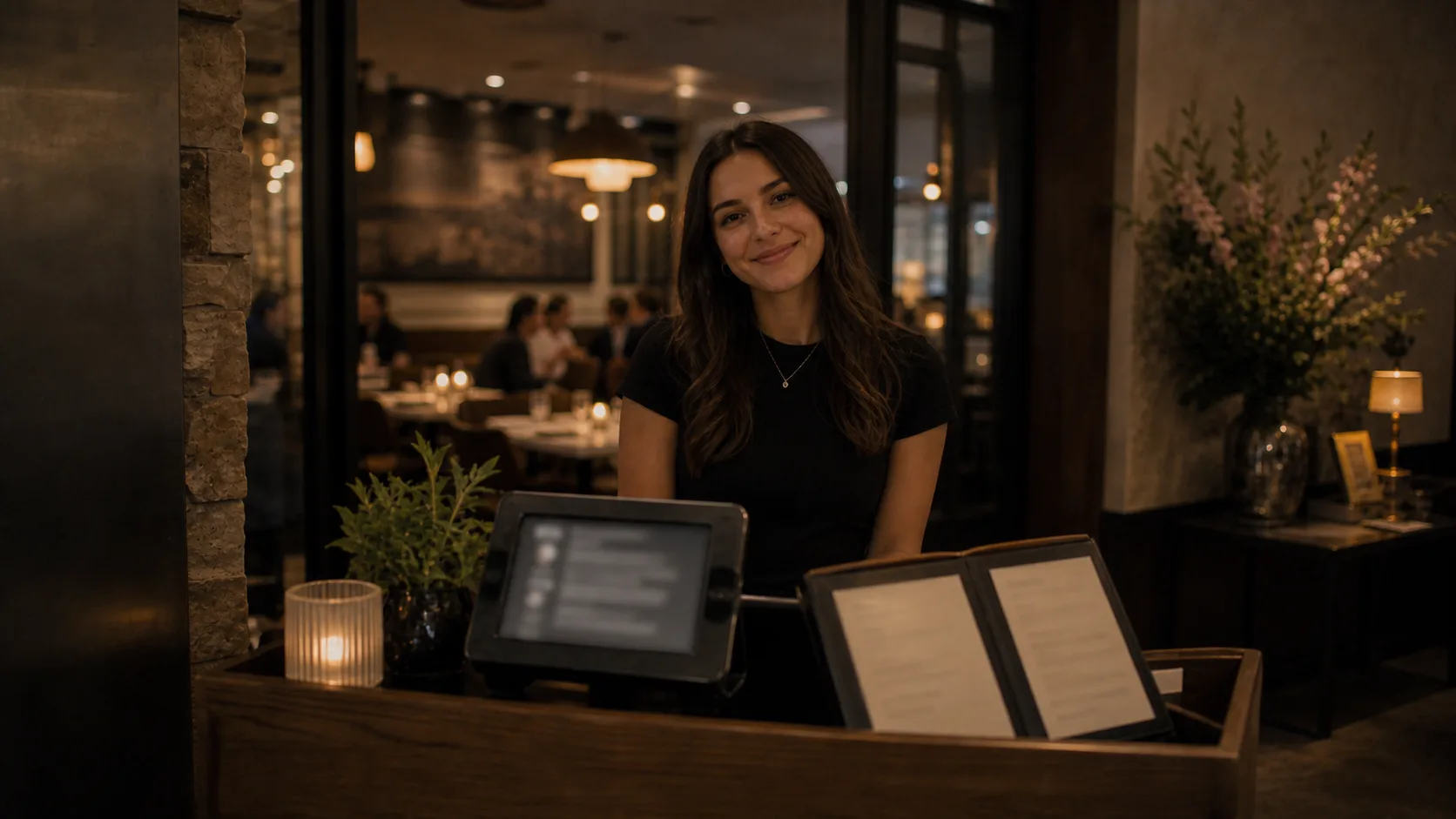
Customer-service voice has produced a high volume of false positives. This file concerns one such incident at a mid-priced restaurant with online reservations.
I. The Greeting
The employee said "good to see you again." This sentence is commonly issued by workers whose duties include making repeat customers feel welcome.
The subject interpreted the greeting as proof of distinct personal recall. The Institute notes the reservation screen was active.
II. The Follow-Up Behavior
The subject selected the same restaurant again the following week, despite previously describing the fries as "not really worth it."
This office recognizes the meal as a cover activity. The actual purchase was recognition.
III. Employment Finding
The employee's warmth occurred during scheduled work hours, on business premises, while wearing a name tag.
No additional finding is required. The Bureau of Obvious Context has closed the matter.
Why This Keeps Happening
The subject encountered warmth on commercial premises and concluded it was about him. The Institute would like to introduce the concept of the shift.
The mechanism is context blindness: the subject registered the signal and discarded the setting. "Good to see you again," delivered by a person whose job is to say it, while looking at a reservation screen, carries exactly the information her employment requires it to carry, which is none about him. The subject knew this and overrode it, because the alternative reading was more pleasant and he was in the market for the more pleasant reading.
The behavior persists because the cover story is plausible enough to fund a return trip. He went back for the food, officially, despite previously rating the fries as not worth it. This is the tell. A man does not revisit mediocre fries; he revisits a hypothesis he is hoping to confirm. The hostess, meanwhile, was being paid to make repeat customers feel welcome, and did so, on schedule, while wearing a name tag. The Bureau of Obvious Context regards the matter as self-explaining and has stopped returning his calls.
Institute Finding
Subject confused hospitality protocol with romantic availability. The smile was included in the shift.
Related Instrument: Form SS-404
Repeated visits to a business for non-product reasons may be documented as a dignity-adjacent re-entry pattern.
See Also
- Case File: Subject Envisioned Shared Mortgage After Coffee Pickup False Positive Signals
- Identity Confirmation: She Remembered Your Name Because You Told Her Twice False Positive Signals
- Workplace Notice: A Laugh Emoji Is Not an Invitation to Ruin Q3 False Positive Signals
Related Terminology
- Delulu IAD Glossary